
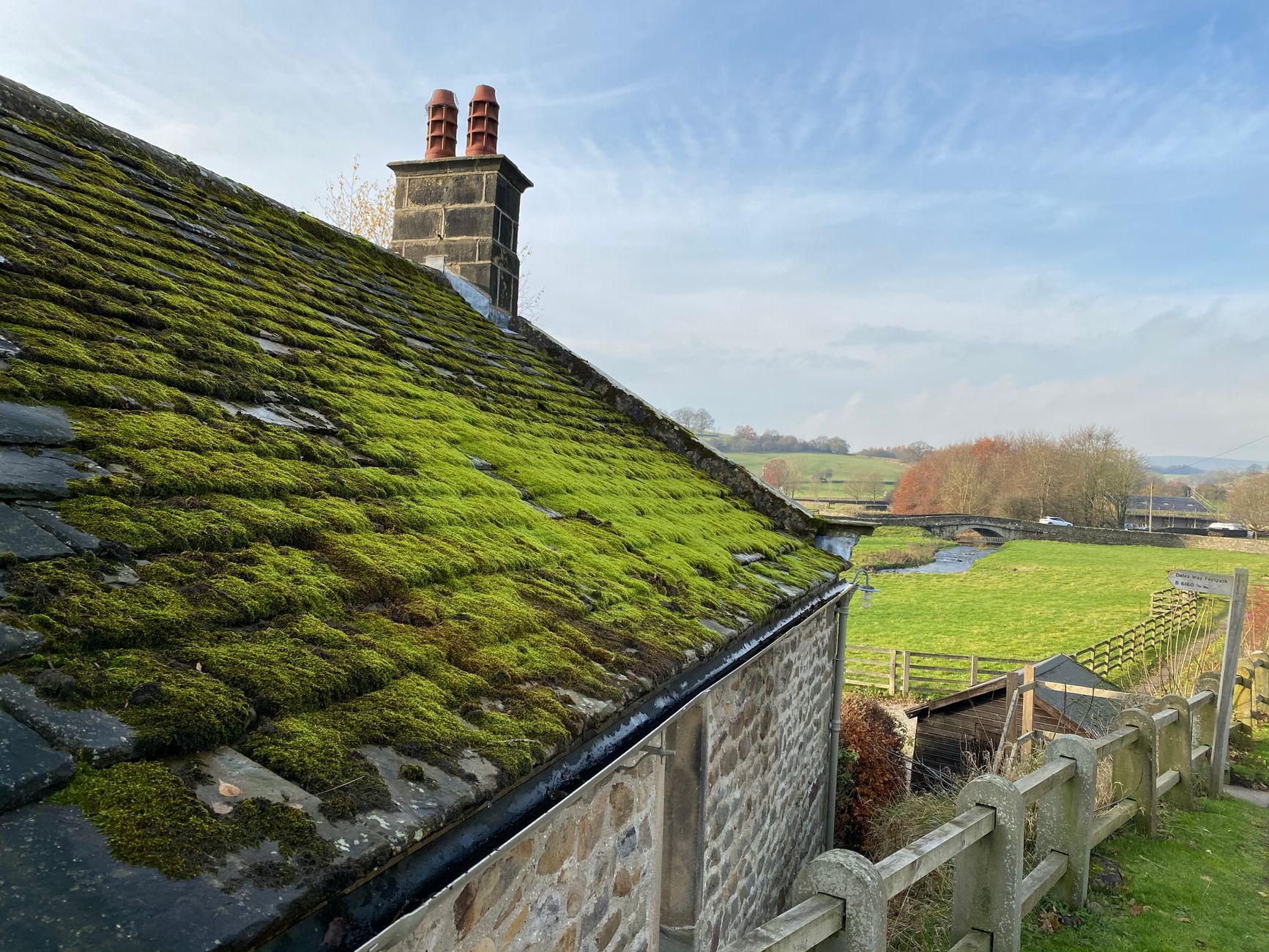
A Cleaner Fire for Your Culver City Home
Sweeps, inserts and stove repairs that keep smoke in the flue and out of the room.
Know what the fire needs? Book that job. Not sure why it smokes? Start with an inspection from Culver City and let the draft test point the way.
Chimney Sweep
Creosote and soot brushed out of the flue so the fire draws well and less smoke spills back into the room.
Chimney Inspection
Flue, firebox, damper and cap checked to find what makes a fire smoke, stall or leave a smell.
Chimney Repair
Flue, brick and cap repairs that keep smoke and heat inside the chimney, away from the attic and the room.
Fireplace Inspection
Firebox, damper, smoke chamber and hearth checked for the faults that push smoke out under the mantel.
Fireplace Repair
Firebox, damper and smoke chamber repairs for fireplaces that smoke, stain the mantel or waste heat.
Chimney Level 2 Inspection
A recorded camera pass through the whole flue, booked at a sale, after shaking or before a new appliance.
Chimney Cap Installation
A screened cap that keeps rain and birds out, holds sparks back and helps the chimney draw.
Chimney Flashing Repair
Roof line metal refitted so winter rain stays out and a dry chimney keeps drawing well.
Chimney Masonry Repair
Brick and mortar work on the stack so heat and smoke stay in the flue and the chimney stands firm.
Chimney Rebuilds
A loose or leaning stack rebuilt with matched brick, a new flue, a fresh crown and a spark cap.
Fireplace Cleaning
Ash, soot and old debris cleared from the firebox, grate and smoke shelf so new fires catch cleanly.
Gas Fireplace Cleaning
Burner, logs and glass cleaned so a gas fire burns blue and leaves no soot behind the glass.
Gas Fireplace Repair
Gas fireplace faults fixed, from controls to burners, and sooty yellow flames traced to their cause.
Fireplace Remodel
A new face, hearth or fuel for an old fireplace, with sealed gas units for a cleaner fire.
Fireplace Inserts
A sealed gas or wood insert set into your fireplace with its own liner, for more warmth and far less smoke.
Pellet Stove Repair
Feed, fan and ignition faults fixed so a pellet stove burns hot and clean instead of smoky and sooty.
Wood Stove Repair
Seals, baffles, firebrick and glass put right so a wood stove burns hot, clean and with little smoke.
Gas Logs
Gas log sets that give the look of a wood fire with no wood smoke, matched to your opening and gas line.
Chimney Seismic Retrofit
Bracing or a lighter top for brick chimneys that could fall in a quake, priced after we see the stack.
Chimney Crown Repair
Cracked or crumbling crowns sealed or recast so the top of the chimney stays dry and the flue draws.
Dryer Vent Cleaning
Lint cleared from the duct out to the wall hood so the dryer vents freely and runs cooler.
Chimney Liner Installation
A stainless liner run through a cracked or oversized flue so smoke and gases leave by the top.
Chimney Leak Repair
Water getting in at the crown, cap, flashing or brick tracked down and stopped, so the flue stops smelling sour.
Chimney Waterproofing
A vapor-open water repellent for chimney brick, put on after repairs so the stack sheds rain and still dries.
Chimney Damper Repair
Seized, warped or rusted dampers freed, repaired or replaced so the fire draws and the house keeps its warmth.
Chimney Chase Cover
Rusted chase tops on factory-built chimneys replaced with stainless covers made to fit.
Sales, rentals and repairs on paper
Four pages for the moments a chimney has to be documented: a house going on the market, a listing an agent wants clean, a building whose insurer wants dated records, and the structural fixes a report turns up. Each one names its price where we publish one.
Selling a home
Sellers: a Level 2 before listing, so the buyer's own inspection finds nothing new about the fireplace or stove.
Listing agents
For listing agents: a chimney report before photos and open houses, so renegotiation over the fireplace never starts.
Managers and HOAs
A dated, per-fireplace inspection record for insurers, lenders and boards, priced per fireplace.
Structural repairs
Cracked crowns, loose brick, bracing and rebuilds: the structural findings a Level 2 turns up, and what each costs.
From Culver City outward, a page for each city we serve.
Older brick chimneys, newer factory-built fireplaces, wood stoves in back rooms: each city page notes what we tend to find there and how we keep the smoke in the flue.
Our Base
Culver City
Home base for every booking
Rule 445
The no-burn rule in Los Angeles County
Hearth to cap
What each visit checks
Every city page says what kind of fireplaces and stoves we meet there, so you know what to expect before we arrive.
Culver City
Our home base on Ballona Creek, below the Baldwin Hills
Salty, moist air off the ocean slowly rusts an unguarded steel cap and dampens the crown. The 1994 quake shook this city hard, so our inspection hunts for a flue crack that could steer smoke into a wall.
Inglewood
Fault-line city near Centinela Adobe
The fault crosses the city, and shaking opens masonry joints where smoke can escape. From November through February, Rule 445 no-burn alerts can halt wood fires here, while gas-fueled units are not affected.
Lawndale
Narrow-lot South Bay town
A steel cap near the coast slowly pits and rusts in sea air, and May and June start gray. Winter Rule 445 alerts may bar wood burning, while a gas fireplace keeps working.
Manhattan Beach
Strand and Polliwog Park beach town
Year-round cool, mild weather, and May and June marine clouds that leave metal caps beaded with damp. No major wildfire has touched the city, and the Newport-Inglewood Fault sits several miles east, inland.
More cities
136 more city pages across the county
Each one covers the homes, the weather and the burn rules there.
What people ask about a smoky fire
Smoke in the room, smells, no-burn days, inserts and prices, answered from Culver City.
Why does smoke come into the room instead of going up the chimney?
Usually one of five things: a flue narrowed by creosote, a damper only part open, a cold flue on the first fire of the night, a range hood or bath fan pulling air down the chimney, or a fireplace opening too large for its flue. An inspection tells which one it is. The fix runs from a sweep to a smoke guard, a new damper or an insert.
What is a no-burn day, and does it cover our street?
Culver City, like the other Los Angeles County cities we cover, sits inside the South Coast Air Quality Management District. Between November and February the district can declare a no-burn day under Rule 445 when smoke would hang in the air, and on those days wood fires are off for most homes. Gas fireplaces and gas logs are not part of the ban. Look up the district's forecast before lighting wood.
Will an insert really cut down the smoke?
Yes, by a wide margin. A modern insert burns behind a closed door with metered air, so the fire runs hotter and burns off far more of the wood before it leaves the chimney. A gas insert makes next to no smoke at all. Gas inserts run $2,800 to $5,600 installed; wood units are priced once we have measured the firebox.
How often does the chimney need sweeping?
NFPA 211 calls for a yearly inspection and a sweep whenever deposits build up. How fast that happens depends on the fire: damp wood and slow, smouldering fires coat a flue far quicker than dry wood burned hot. Our sweep, from $420, comes with a note on what the deposits tell us about your fires, so you can judge the next one.
Do the neighbors really notice our fireplace smoke?
On still winter evenings, often. Smoke from a smouldering fire stays low and drifts into nearby yards and open windows. The cleaner the burn, the less of it there is. A clean flue, a stove or insert in good order and dry wood make the biggest difference, and gas takes the question off the table.
Which inspection level should we book?
For a fireplace you use each winter with nothing changed, a Level 1 at $55. Selling the house, switching appliances, or living with a chimney that has seen a fire or strong shaking? Book a Level 2 at $390, which adds a recorded camera pass. A Level 3 involves removing masonry or drywall to see a fault the camera cannot reach, so it only comes up when the lighter levels leave a question open.
Does a gas fireplace give off carbon monoxide?
Any flame can. A well-tuned gas fire makes very little; a dirty or poorly vented one makes more, which is why every gas cleaning and repair visit ends with a reading. Separately, an attached garage, a fireplace or any gas appliance in the home means state law expects a working carbon monoxide alarm, so press the test button on yours when we leave.
We smell gas near the fireplace. What now?
Leave the switches and the fireplace alone. Get everyone out of the house first, and once you are well clear, phone the gas utility or 911. When the utility has made the line safe, we can come out to find and repair the fault in the fireplace itself.
Why does the fireplace smell like an ashtray in summer?
That stale smell comes from creosote left in the flue, and it gets stronger when the house pulls air down the chimney on warm days. A sweep removes the source. A damper that seals at the top of the flue, or a closed insert, stops the airflow that carries the smell into the room.
Can an old wood stove be made to burn cleaner?
Often it can. Most smoky stoves we see have tired door seals, a cracked baffle or a worn combustor, and replacing those brings the burn close to how it left the factory. If the stove is very old and has none of those parts, we will say so and price a newer stove or a gas insert alongside the repair.
Do we get a price before anything is done?
Always. Sweeps, inspections, inserts and leak work have set prices or ranges on this site. Caps are quoted after we measure. Masonry, crowns, liners, dampers and chase covers are priced in writing once we have seen the chimney, since one loose course and a whole tired stack are very different jobs. Nothing is added on the day without your yes.
Which cities do you cover?
Culver City, Inglewood, Lawndale and Manhattan Beach are where we work most, and our area pages list the other Los Angeles County cities we visit. If your street sits close to a city line, put the address on the form and we will confirm.
A question that is not on this list? Ask us.
Call (323) 524-3304Fire smoking up the room? Our Culver City crew can find out why.
Tell us how it burns
What the fire does and what you burn is enough. We call back to set a time.
Smoke in the room means something is holding the fire back. We find it.
Dexter Chimney Sweep sweeps, repairs and refits fireplaces and stoves around Culver City, and puts each choice in writing so you can weigh a repair against a cleaner insert or gas logs.
We start at the hearth with a match and a little smoke, and watch where it goes. That tells us more in a minute than a long description on the phone.
Then the flue, the damper, the stove seals or the insert get the work they need, and a test fire shows the result before anyone signs anything off.
- Hearth
- Where the draft is tested
- Flue
- Swept and looked over
- Fire
- Lit again to check the result
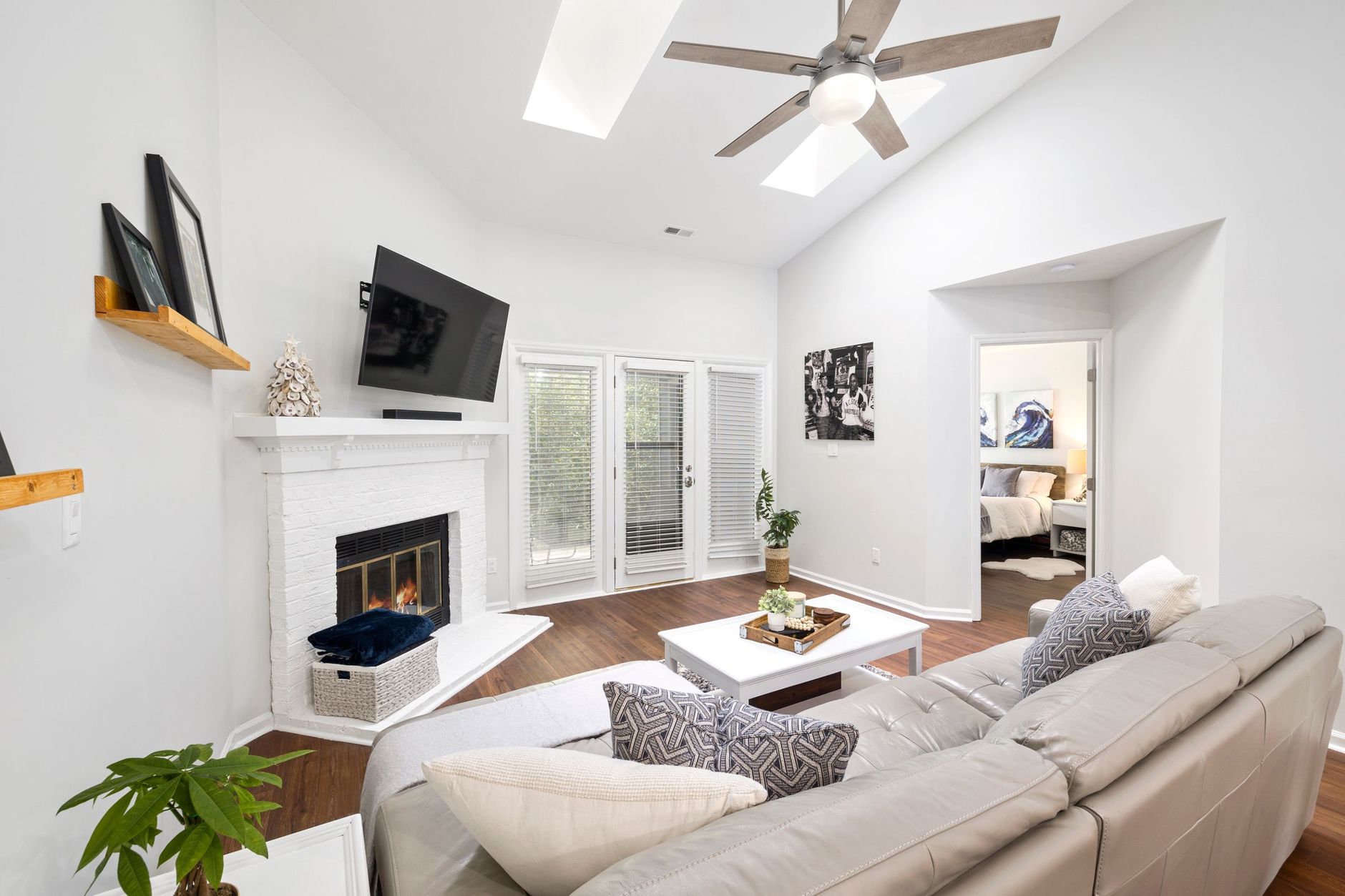
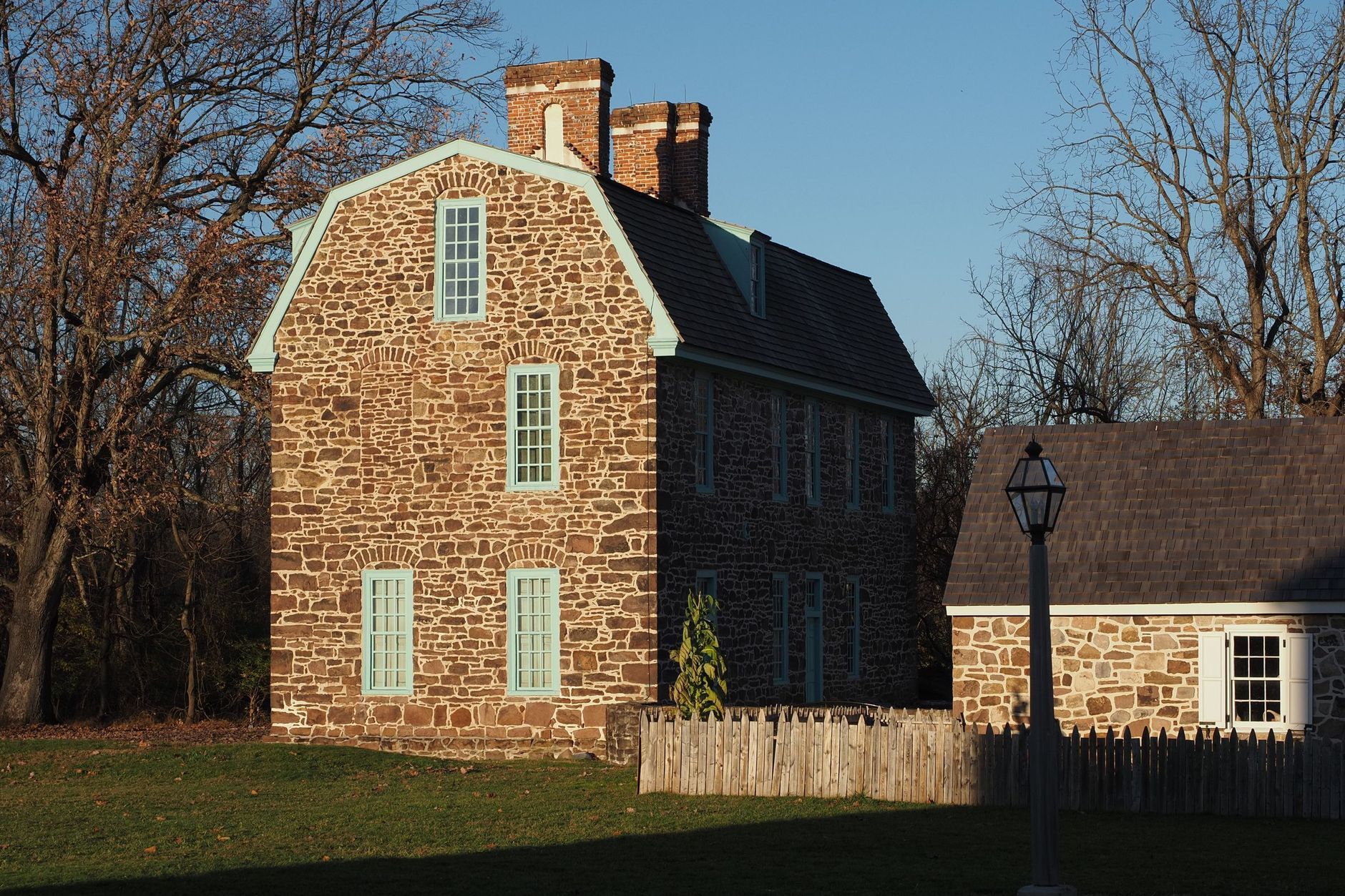
Smoke Belongs in the Flue
Each job is judged on one thing: does the fire draw cleanly, with nothing rolling back into the room once we leave?
The Street Breathes It Too
Less smoke from your chimney means cleaner air in the yards and windows around you, so we show how each fix changes the burn.
Prices You Can Read
Set prices where we have them, a written price for everything else, and nothing added on the day without your yes.
Options Side by Side
Repair, insert or gas logs: we put the choices next to each other with their prices and let you pick.
Five steps from a smoky fire to a clean one
The order holds whether the problem is a puff of smoke on lighting or a stove that blackens its glass every night.
Tell Us About the Fire
Use the form or call and say what bothers you: smoke in the room, a lingering smell, a fire that will not catch, or a no-burn season you want a gas option for. Mention what you burn and how often.
We Watch It Draw
At the house the technician checks the draft at the firebox, then the damper, the smoke chamber and the flue, and asks how you usually light and feed the fire.
The Cause, Named
Heavy deposits, a narrow or cracked flue, a worn stove seal, an oversized opening: we name what is behind the smoke and show you the photos.
Choices on Paper
You get the findings and a written price for each fix, with cleaner options such as an insert or gas logs set out beside the repair, so you can compare.
Work, Then a Draft Test
Once you say go, we do the work with the floor covered and a HEPA vacuum running, then light a test and watch the smoke rise before we pack up.